
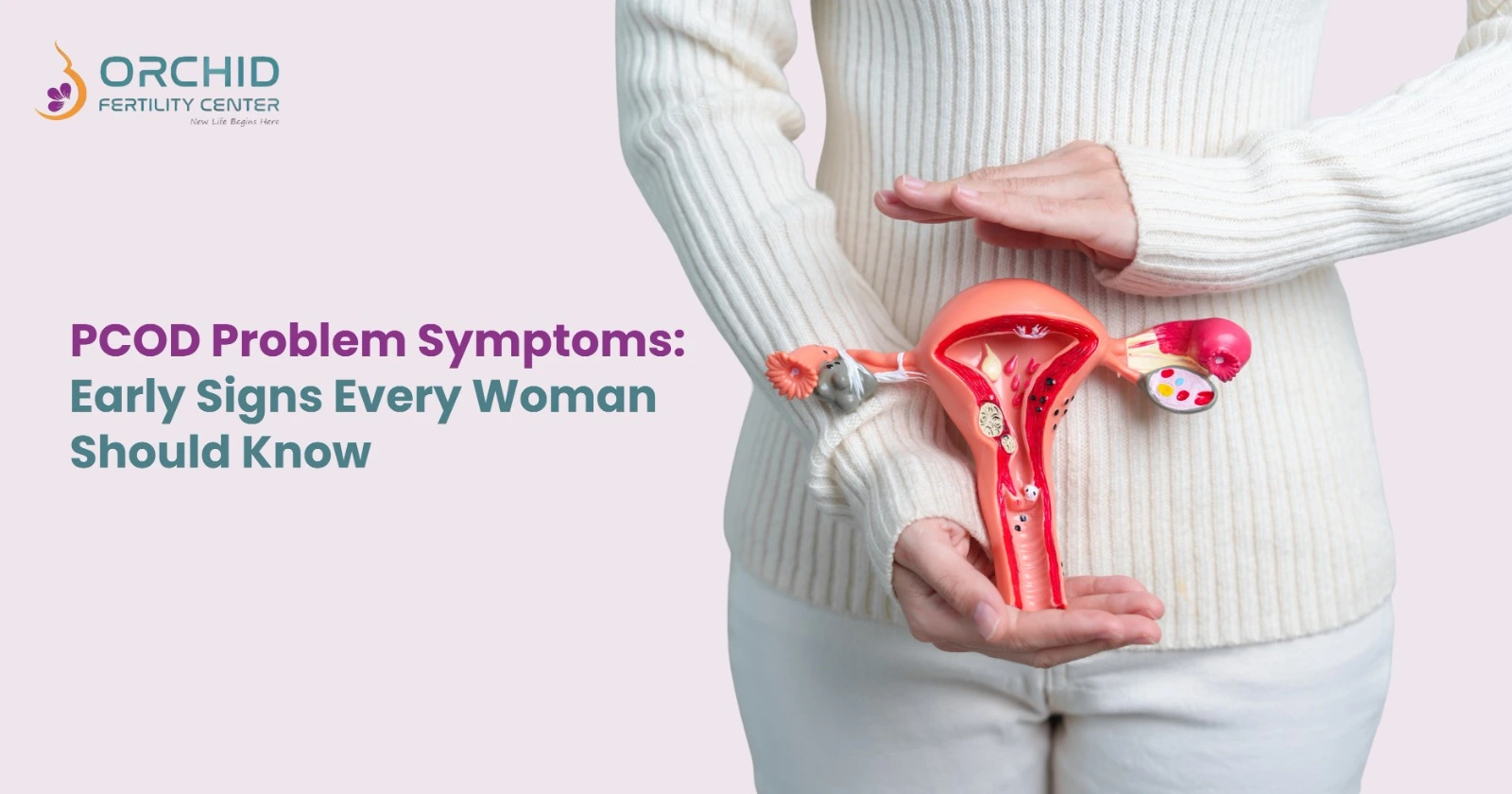
PCOD Problem Symptoms: Early Signs Every Woman Should Know
Introduction:
Over the years, the cases of women facing hormonal and metabolic health issues have been increasing, especially among young women in urban cities. Sedentary lifestyle, food choices, and stress issues are among the common causes of the hormonal and metabolic health issues.
A major contributor to these health concerns is PCOD (Polycystic Ovarian Disease), a condition that has seen a sharp increase in recent years.As per the recent article by Times of India, 1 out of 5 women in India are affected by PCOD. As per studies by multiple health bodies, the prevalence of PCOD in India ranges between 8% and 22%.
In this article we will be discussing how to identify the PCOD problem symptoms, the connection of weight gain PCOD, its impact along with lifestyle choices and medical care to manage it.
What are PCOD Problem Symptoms?
Let’s start with understanding PCOD. PCOD (Polycystic Ovarian Disease) is a common hormonal condition in which the ovaries produce higher-than-normal levels of androgens (male hormones), leading to an imbalance in the reproductive system. This can affect the regular release of eggs (ovulation), causing multiple small cysts to develop in the ovaries.
The PCOD symptoms in women are most commonly identified by irregular periods, while the symptoms list includes
Irregular periods
Delayed, irregular, or completely absent periods due to irregular ovulation are the most common PCOD problem symptoms.
Unexplained weight gain
PCOD causes weight gain, especially in the abdominal area. This is caused due to hormonal imbalance and insulin resistance in the body.
Excess hair growth (hirsutism)
Higher androgen (male hormone) levels during PCOD lead to hair growth on the face, chest, back, or abdomen. It is known as hirsutism.
Acne and oily skin
Consistent acne during and beyond teenage years on the face, cheek, or upper back is also the outcome of increased androgen levels.
Hair thinning or hair loss
Constant hair loss or thinning of the scalp and widened hair partitionings due to shrinking of hair follicles.
Dark patches on skin
The insulin resistance causes thick hyperpigmented skin areas around the neck, underarms, or groin. It is known as acanthosis nigricans.
Difficulty in losing weight
During PCOD the body stops responding to insulin, causing fat storage instead of burning, making weight loss challenging.
Mood changes
Hormonal changes and physical issues like acne, weight gain, and hair loss lead to stress, anxiety, lack of motivation, and mood swings.
Irregular Periods PCOD: What’s the Connection?
Have you ever wondered about the connection between irregular periods, PCOD, and how it can be managed?
Hormonal imbalance during PCOD causes accumulation of immature eggs in the ovaries and disrupted period cycles. It leads to prolonged, skipped, or heavy periods. This impacts ovulation and causes missed periods or cycles exceeding 35-45 days. Missing periods for months or having consistent period cycles of less than 21 days or more than 35 days is also an impact of PCOD. Healthy lifestyle choices and required medical treatment can help overcome irregular periods.
Difference between PCOS and PCOD:
Many women are confused about the difference between PCOS and PCOD. PCOS (Polycystic Ovarian Disease) and (Polycystic Ovary Syndrome) are both hormonal ovary-affecting diseases, but they differ in severity. PCOD is a mild condition formed through life’s lifestyle factors, where eggs form the cysts. While PCOS is a chronic metabolic endocrine disorder involving high androgen levels, insulin resistance, and higher risks of long-term health issues. PCOD is caused by poor diets, stress, and obesity, while PCOS is linked to deeper genetic and metabolic abnormalities, including insulin resistance.
Conclusion
Understanding early PCOD problem symptoms is crucial, as timely diagnosis and lifestyle intervention can help manage the condition effectively and prevent long-term complications related to fertility and metabolic health. Additionally, seeking medical assistance by visiting women’s or gynecology hospitals like Orchid.
The doctors at Orchid help individuals and couples understand the PCOD symptoms in women and manage PCOD, PCOS, and other fertility-related health issues. They offer a wide list of fertility-related services that help couples in their journey of building a family.
FAQs
Q1: What are the first signs of PCOD?
The initial signs that a woman may have PCOD are often caused by hormonal changes, especially elevated levels of androgens. Initially the early signs may appear relatively mild or moderate; however, as time passes and if left untreated, the symptoms may worsen because they go unnoticed.
Q2: Can PCOD affect fertility?
Yes,Polycystic Ovary Syndrome (PCOS) is a leading cause of infertility among women. It disrupts a woman’s ability to become pregnant by creating a disruption in the hormone levels that control a woman’s ability to ovulate, thus creating irregular or missed menstrual periods.
Q3: Is PCOD curable or manageable?
No permanent cure exists for polycystic ovarian disease (PCOD), however, you can manage symptoms through lifestyle changes and medical treatment.