7 Common Menopause Symptoms: Causes, Care & Relief Tips
Key Highlights
- Menopause age in India for most women is between 46 and 48 years of age.
- Menopause can significantly affect physical, psychological, vasomotor, and sexual health.
- An overview of menopause meaning, menopause age and side effects of estrogen tablets.
What is menopause meaning, and what are its symptoms?
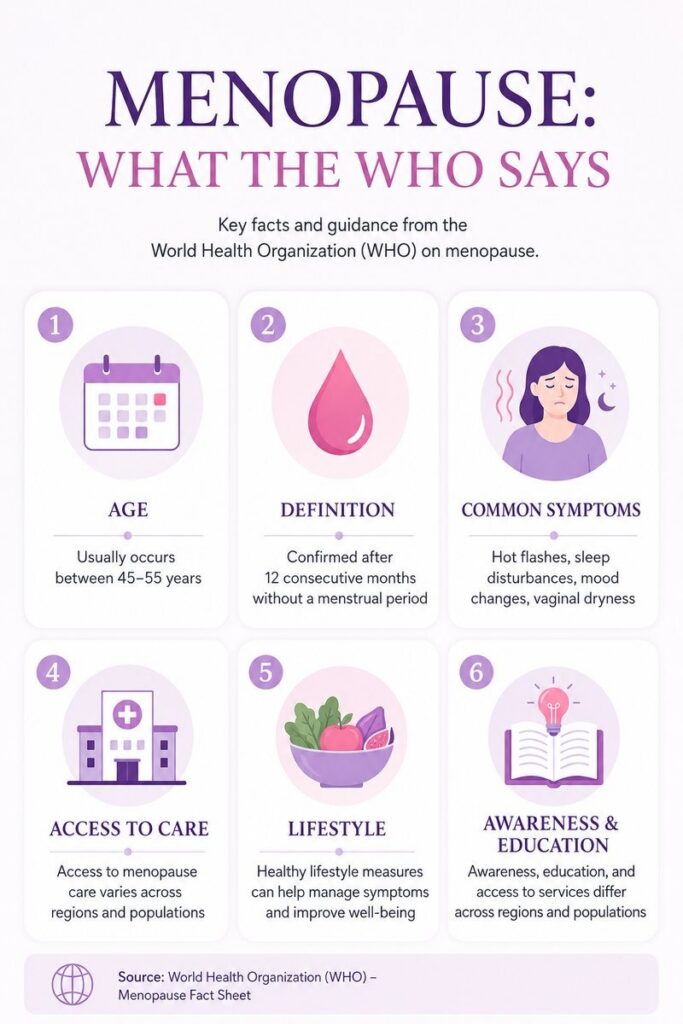
Menopause meaning refers to a natural phase in a woman’s life when her periods are stopped. It is caused by a decline in hormone production and occurs between the ages of 45 and 55. It starts with perimenopause symptoms and is followed by menopause and postmenopause. Perimenopause symptoms are same as menopause, as it is a trasitional phase leading to menoopause. During perimenopause, the periods start getting irregular while a drop in hormones impacts the woman’s mental and physical state.
Menopause meaning refers to the phase of having no menstrual periods for a consecutive 12-month period, after which a woman enters post-menopause. This stage causes long-term health issues like weak bone health, increased risk of heart diseases, UTIs, and painful intercourse due to vaginal dryness.
Have you ever wondered if the menopause age in India is same as other countries?, and is it the same globally? Do food, lifestyle choices, and other factors impact menopause among women in India in comparison to women across the globe?
The symptoms around the globe are similar, however the treatment, addressing and management differs geographically.The menopause age in India is around 5 years earlier than the global average of 51 years.
7 Menopause Symptoms That Could Be Affecting Your Daily Life
- Menstrual Changes:
Menstrual changes start during the transition period; it is known as perimenopause. During this time, the estrogen and progesterone levels drop, leading to unpredictable changes and erratic periods. The period’s flow may be lighter or heavier while the flow days may increase or decrease. The menstrual cycle may become shorter or longer. You might also skip the periods for some months.
- Hot Flashes & Sweaty Nights:
Hot flashes and sweaty nights are among the major symptoms faced by most of the women during the menopause period. Consistent fluctuation in the estrogen level creates a false alarm. The alarm signals the mind to release the heat. As a result, the blood rushes, the heart races, and the sweat pores are opened. Causing the body to suddenly sweat and heat up, and this roller coaster ends with you being drenched in sweat and your body temperature falling lower than normal.
- Sleep Disturbances:
Sleep disturbance is among the most common issues after hot flashes and sweaty nights. Women are either unable to sleep at night, waking during the night frequently, waking up too early, or feeling tired. The elements causing sleep disturbance include frequent urination, restless legs, mood swings, hormonal fluctuations, and coordination changes between the hormonal glands and nervous system.
- Vaginal & Bladder Changes:
The declining estrogen levels cause changes in the vagina and bladder; in medical terms, it is referred to as Genitourinary Syndrome of Menopause (GSM). The dropping hormone levels lead to thinning of the tissues, reduced tissue elasticity, and weak pelvic floor muscles. These changes cause dryness in the vaginal area, urinary urgency/leak, and frequent vaginal infections.
- Emotional Swings:
Hormonal fluctuations impact the brain’s capacity to manage the mood. Additionally, menopause symptoms like disturbed sleep, hot flashes, and sweaty nights create irritation. Additionally, stress over life subjects like career, finance, and family adds on to emotions like anger and anxiety. Brain fogginess also impacts memory and daily tasks.
- Cognitive Issues:
Cognitive issues during menopause are the phase when the brain is fogged. Brain fog is caused due to the decline in production of testosterone and progesterone. The issue worsens with disturbed sleep and erratic periods. Cognitive issues cause forgetfulness, difficulty in recollecting names, poor concentration, and mental fatigue.
- Physical & Skin Issues:
The sudden fall of estrogen levels impacts collagen production, causing physical and skin issues. The collagen production goes down, causing the skin to be dry, severe, and wrinkled. Additionally, loss of elastin (a protein-forming element) causes the skin to become loose and sluggish. Fluctuating hormones also cause acne and facial hair, while reduced hormones cause the skin to cut or become damaged easily.
Do Estrogen Tablets Help During Menopause? And do estrogen tablets have side effects?
Declining estrogen during menopause is the root cause of mental and physical health issues; thus, estrogen tablets play a crucial role in the treatment process. As these tablets are for medicinal use, they are to be taken as per doctors’ guidance. Estrogen tablets support the declining estrogen levels and help reduce symptoms like disturbed sleep, vaginal and urine issues, weak bone health, and fatigue.
However, estrogen tablets have side effects; the temporary side effects include breast tenderness, weight gain, nausea, bloating, and upset stomach. Major health risks include blood clots in the lower leg, calf, or thigh; increased risks of brain stroke, cardiovascular or cancer disease, gallbladder issues, etc.
Simple Care Tips to Manage Menopause Symptoms Better:
Menopause is a natural stage; the symptoms or health issues are inevitable. However, changing your daily routine can help cope with the issues naturally.
The steps to manage menopause include:
- Prioritize sleep.
- Exercise & Stay Active
- Eat bone-healthy food.
- Manage stress
- Address vaginal discomfort
- Avoid spicy & caffeinated food.
- Avoid Alcohol
- Wear breathable and light clothes.
In a Nutshell:
Women’s bodies undergo drastic changes during the three phases of menopause, in turn impacting their mental and physical being. Treatment and lifestyle changes can help reduce the symptoms. From menopause age in India to treatment and side effects of estrogen tablets, many topics are not openly discussed. Awareness plays a vital role in managing menopause issues. Educating all women, along with their partners and teenage children, will help build awareness and emotional support and help the women choose the required treatment.
In case of inadequate information, one should seek doctor guidance from fertility experts. Doctors at Orchid Fertility work on fertility-related issues. They build awareness about menopause and other fertility-related issues. The doctors support women in reducing the impact of menopause symptoms by guiding the patient and their partner regarding the required treatment and support.
FAQs:
- Can a woman get pregnant after menopause naturally?
No, a woman cannot get pregnant after menopause naturally as the egg stops releasing. However, women can get pregnant during perimenopause, the transitional stage before menopause.
- What happens if a woman has menopause?
Menopause is the period of 12 consecutive months without a menstrual period. In menopause, women’s ovaries stop releasing eggs, and the production of estrogen and progesterone is lowered.
- How can a husband help his wife during menopause?
A husband can help during the menopause phase by learning about it by visiting hospitals like Orchid Fertility Center. He can reduce the mental burden by listening patiently, understanding, and being supportive during the phase.